
The process of removing and disposing of waste from the residents’ homes is a complex process that includes a complete array of workers, tasks and processes. Most of us are not at all aware of what happens to our waste once it is thrown into the neighborhood bin, and this can be attributed as a positive point to the merit of the waste removal services.
Many of you probably do not know at all that many cities have started to switch to a green waste disposal system which includes, among other things, the use of underground bins. As part of this system, under the bin there is a standard ground floor existing from any large storage located in the ground that is not exposed to the street and therefore prevents sanitary hazards. In addition, in various municipalities in the country, washing garbage carts receives welcome attention and special cleaning trucks are purchased for this purpose. But what happens to the waste after it has been collected from the bins? Where does she go and what will we do with her?
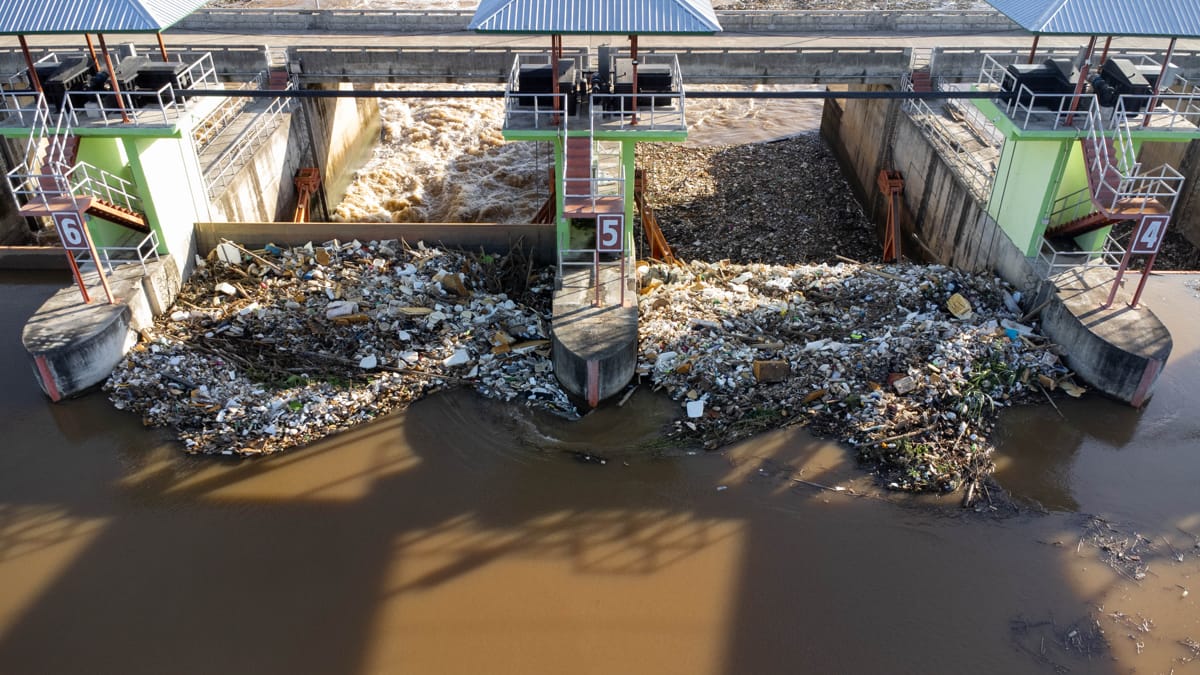
Waste transfer station
The waste collected by the garbage removal trucks must go to one of the following two sites – either a landfill site or a recycling site. The goal is of course that as much waste as possible will be recycled and not landfilled, but this is not always possible. There is a waste transfer station for this purpose. A waste transfer station is a station located outside the residential area but not too far from it, where all the waste from that area arrives and is sorted there. The sorting is of wet waste such as food scraps versus dry waste, which must also be sorted into all kinds – plastic, paper, metal, cardboard, and the like. The sorting is carried out by the employees of the transit station and by computerized systems, when the materials that are sorted for recycling are thoroughly shredded in order to bring them to a state where they can be sent for renewed use. The waste that enters the transit station is weighed and registered and all the conduct inside the transit station is documented and backed up by certificates sent to the municipalities or local councils. Each transit station is a very complex and sophisticated system that was developed with the aim of maximizing as much as possible the minimization of the damage of our waste to the environment. In the Petah Tikva area, for example, there is a transfer station for hazardous waste, which is also sorted and recycled. The goal set by the Ministry of the Environment is that by 2020 fifty percent of the waste will be recycled, and all sanitation systems are working towards achieving the goal. 


